
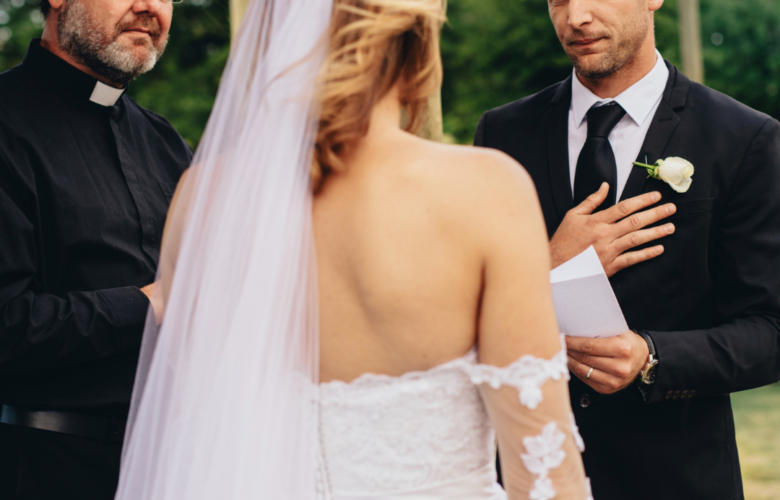
Writing wedding vows that feel personal and meaningful requires honesty and reflection. Instead of using clichés, individuals should focus on what truly represents their relationship and values. The key to authentic vows is expressing genuine feelings and specific promises that resonate with both partners.
He or she can begin by considering shared experiences and unique qualities that define their bond. Simple yet sincere language often creates the most emotional impact, making the vows memorable and heartfelt.
Creating vows that reflect individual personalities helps make the ceremony more intimate. When written with intention, these words become a lasting reminder of commitment, making the moment unforgettable.
Why Personal Wedding Vows Matter
Personal wedding vows create a deeper connection during the ceremony by reflecting genuine emotions and shared experiences. They mark the distinctiveness of a couple’s relationship and serve as powerful reminders of their promises.
The Emotional Core of the Ceremony
Personal wedding vows bring emotional depth to the ceremony by expressing true feelings and heartfelt commitments. Unlike traditional or generic vows, they resonate with the couple’s own words, making the moment more intimate and sincere.
This emotional authenticity helps both the couple and their guests feel the significance of the promises. It transforms the ceremony into a unique experience that honours the couple’s bond rather than following a scripted format.
Celebrating Your Unique Love Story
Meaningful vows tell the specific story of a couple’s journey together. They highlight shared memories, challenges overcome, and personal growth, giving insight into what makes their union special.
Writing personal wedding vows encourages individuals to reflect on their relationship’s unique qualities. This reflection leads to a genuine declaration of what they value and aim to build in their future together.
Lasting Keepsakes for Your Relationship
Personal wedding vows become enduring keepsakes that couples can revisit over time. Unlike standard vows, these words carry the weight of personal meaning and serve as a source of comfort or inspiration.
Couples often record or write their personalised vows to preserve the emotions of their wedding day. They offer a tangible reminder of the promises once made, helping to sustain commitment throughout married life.
How to Write Wedding Vows That Feel Personal and Meaningful
Personal wedding vows must reflect the uniqueness of a couple’s relationship. They should balance honest reflection, an appropriate tone, and clear, heartfelt promises to create a vow that resonates deeply.
Reflecting on Your Relationship
Writing your own wedding vows begins with thoughtful reflection. The individual should consider key moments and shared experiences that define their bond. These might include how they met, challenges overcome, or qualities they cherish in their partner.
Focusing on specific memories rather than vague statements adds authenticity. For example, recalling a particular trip or a small, everyday habit can make the vow feel intimate and real. This groundwork forms a strong emotional foundation for the vows.
Choosing the Right Tone and Style
The tone should match the couple’s dynamic and the overall mood of the wedding. It can be formal, casual, romantic, or even light-hearted, depending on what feels natural for the speaker.
Consistency is crucial. If one partner’s vows are humorous and the other’s solemn, the contrast may be jarring. Choosing words that reflect true feelings, whether poetic or plain, helps maintain sincerity.
Incorporating Heartfelt Promises
Heartfelt wedding vows rely on meaningful commitments that go beyond clichés. Instead of general pledges like “I will love you forever,” specifying actions or values they promise to uphold makes the vow more impactful.
Examples include promising to support their partner’s dreams, to communicate openly during difficult times, or to nurture their shared happiness. These concrete promises give the vows weight and direction.
Tips for Creating and Presenting Your Heartfelt Wedding Vows
Writing vows that feel genuine requires careful thought, clear organisation, and practice. Preparing in advance and knowing how to present will help make the moment memorable and heartfelt. The following advice guides the process from planning to delivery.
Planning and Timing Your Writing Process
Starting early allows time to reflect on meaningful moments and what truly matters. Writing in small sessions helps avoid pressure and keeps thoughts clear. Using a vow book to draft ideas keeps everything organised and easy to review.
Setting deadlines helps ensure the vows are ready well before the wedding day. It also gives time for possible revisions. Avoid last-minute writing; it often leads to rushed, less personal content.
Including specific memories or promises makes vows feel unique. He or she should focus on what their partner values most. This approach increases emotional impact and authenticity.
Practising Out Loud for Confidence
Reading vows aloud builds comfort with the words and pacing. Practising in front of a mirror or recording the rehearsal can highlight areas for improvement.
Speaking slowly and clearly is important to maintain sincerity. It also ensures guests and the partner hear every word. Practising helps avoid stumbling or nerves during the actual speech.
Rehearsing with the wedding film crew or a trusted friend can simulate the real setting. This helps adjust tone and volume in a familiar environment. Confidence in delivery strengthens the meaningfulness of the vows.
Guidelines for Structure and Length
Vows should generally be between one and two minutes when spoken. This length keeps the audience engaged without losing impact. Using a clear structure helps keep thoughts organised.
A common approach is:
- Introduction with a personal statement
- Specific promises or commitments
- Expression of hopes for the future
This format ensures balance between emotion and clarity. Excessively long vows can dilute meaning, while too short ones may feel incomplete.
Clear, simple language is more effective than complex phrases. The focus remains on heartfelt expression, not poetic perfection. Writing down the final version in a vow book ensures consistency and reduces anxiety on the day.
Making the Most of Your Wedding Vow Moment
A well-prepared vow moment combines meaningful keepsakes with a thoughtful recording to preserve the emotion and significance. The physical presentation and capturing the vows on film ensure the memory remains vivid and accessible long after the ceremony.
Using a Vow Book as a Visual and Emotional Keepsake
A vow book provides a tangible way to present and keep personal promises. Couples often choose books with elegant covers and acid-free paper to protect handwritten vows over time.
Writing directly into a vow book during the ceremony can heighten the emotional impact. It also offers a personal item to revisit on anniversaries, making the vows feel alive beyond the wedding day.
They can customise the vow book with initials, wedding dates, or a personal quote. This turns the book into a meaningful heirloom, blending sentiment and style.
Capturing Your Vows for Your Wedding Film
Recording vows on video captures voice tone, facial expressions, and emotional pauses, preserving the moment’s full depth. This detail can be lost in text alone.
Professional videographers can use multiple angles and close-ups to focus on the couple during the vow exchange. Clear audio ensures every word is heard, including whispered sentiments.
The wedding film becomes a lasting record, allowing couples and loved ones to relive the emotions. It also creates content that can be shared or kept private as preferred.